

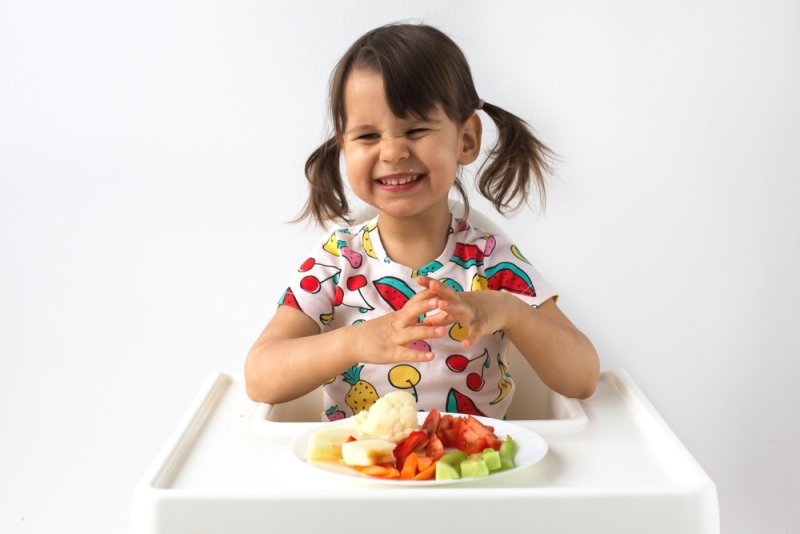
A lot can change in a toddler's body from day to day. While they may finish the entire contents of their plate today, they might not touch it tomorrow - leaving parents asking themselves whether they are feeding their little one enough.
Learning about toddler nutrition can help parents keep up with these ups and downs, providing balanced food and appropriate servings with an easy attitude for a healthy toddler. Here's your toddler nutrition guide:
During that period when children are between one and three years of age, they grow at an accelerated rate. Nutrients are essential to help keep their bones strong, muscles growing, and minds developing. The right toddler food also helps prevent unhealthy eating habits later in life.
A practical toddler nutrition chart emphasising variety over perfection. Don't worry if your toddler doesn't have all the food groups at each meal; it's a matter of the whole day and of providing a variety of healthy foods. Parents can easily blend new food choices with older, more familiar foods without demanding that the plate be devoured.
A good toddler diet includes foods from the different food groups. They will each provide different nutrients, so try to have a mix of ingredients across the week.
Select the texture and consistency: Choose foods suitable for your child's age that they can chew and swallow easily without choking.
The fastest to make are often the easiest. You can throw a handful of foods from all the food groups onto each plate, making the simplest healthy toddler meals. For instance, scrambled eggs served with toast and a mild fruit may be a delicious breakfast. A lunch of lentils, rice, and softened vegetables followed by dinner of chicken, sweet potato, and peas may appeal to your toddler.
You can also make family meals instead of cooking a special meal for each family member. Use less salt and sugar, mild seasonings, and portion off some of the meal before adding any ingredients the child wouldn't have. This makes eating a healthy toddler diet quicker and easier, and in the process, children will learn to eat from the family.
Young children have tiny stomachs, and three meals plus two or three scheduled snacks may be more appropriate for them than three hearty meals. However, appetite is influenced by activity level, growth, sleep, and illness. Most kids have days when they eat a lot and days when they eat very little. It's better to look at intake over multiple days.
Keep toddler portion sizes for a young child moderate, with additional amounts offered as needed. A couple of spoonfuls of veggies, a slice of toast or a small bowl of yoghurt might be just right. Never force a kid to finish what's on his plate. As adults, we determine what foods and how much food is offered; kids determine what they eat.
As kids grow, they need a variety of different nutrients, and the toddler diet can help provide them. Iron, the building block of good blood cells; calcium and vitamin D to support the development of bones; protein to support tissue development; and healthy fats to support brain development.
Iron is of specific concern since deficiency can impact development. Provide iron-rich foods like meat, beans, lentils, and cereals that contain iron. Combine vegetarian sources of iron with foods containing vitamin C, such as strawberries or tomatoes, to help absorption. Consult your child's doctor to see if he needs supplements, rather than providing them as a matter of course, since too much of some nutrients can be toxic.
Overwhelmed by the thought of meal planning? Here are some healthy toddler meals easy enough to prep on those busy mornings. Oatmeal with mashed banana, mushy scrambled eggs, vegetable rice, lentil soup, or plain yoghurt with soft fruits – you can make these healthy toddler meals work for your child and still keep them nutritious.
Baby & Toddler Snacks: Babies and toddlers can also eat healthy snacks between meals. The following can be suitable snacks for your baby: safely prepared soft pear slices, mashed ripe banana, cheese, plain yoghurt, a thin spread of hummus on soft bread, and sweet potato mashed up well.
Do not leave your child to graze all the time, as this can affect appetite at mealtimes, and always supervise snacks and have your baby sit up, avoiding choking hazards (whole grapes, whole nuts, popcorn, and spoonfuls of thick nut butter).
It's normal for your toddler to not want new foods. When your child doesn't want to eat new foods, keep offering small portions without making mealtimes a power struggle. Keep offering a familiar food at the same time as a new one, and offer different textures and flavours for them to explore.
Good toddler nutrition means balancing a wide range of different foods, allowing your child to eat when they're hungry, and finding ways to help nutritious foods become a natural part of your daily family routine.
A toddler nutrition planner and guide to how to create a balanced diet for toddlers can help you keep up with the ever-changing challenges of their appetites so that mealtime remains healthy and relaxed.
Should Toddlers Drink Water? Yes, water is a necessary part of their diet – particularly when they are playing or when it is hot outside. Provide water between and with meals. Milk can help, but if it is given in large quantities, it can make the child full and therefore less likely to eat iron-containing foods.
Food preferences can change as they become more independent and more aware of flavours and textures. Keep offering familiar food combinations and try others; don't force food, and check their growth. Talk with a doctor if they refuse to eat or you have concerns about energy levels.
A vegetarian diet planned according to current guidelines can provide an appropriate toddler diet. Vegan diets need extra attention for vitamin B12, iron, calcium, vitamin D, protein, and more. Consult a paediatrician or registered dietitian for advice on the type of foods and supplements that best suit your child.
Early on, serve textures that match your child's growing ability to chew and swallow. For example, while smooth purees are acceptable, progress to mashed, soft, and chopped foods that are easily manageable at mealtime. Ask your doctor for help if your toddler is coughing or gagging frequently or having trouble swallowing.
Review your child's growth over time, energy and development, and feeding patterns, rather than at just one meal. Your child's doctor can monitor growth. Get hold of your child's doctor if you see weight loss, fatigue, or feeding problems that just won't go away.
This content was created by AI