

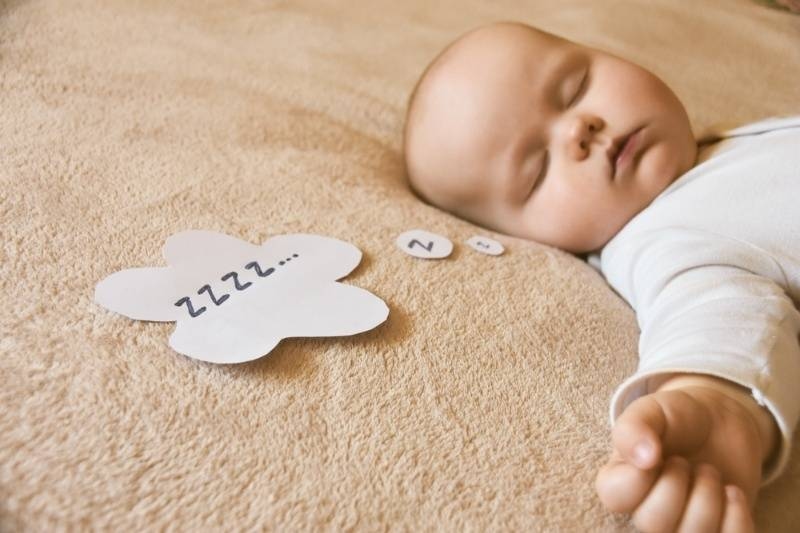
Many parents feel really happy when their baby starts sleeping for periods at night. Then something weird happens, and things get disrupted. This is what people call "baby sleep regression." This is a time when the baby's sleep patterns change as they grow and develop.
During this time, babies who used to sleep well may wake up frequently, refuse naps, or get really upset at bedtime. These changes can be very hard for the people caring for the baby, especially when they seem to happen all at once. Knowing what baby sleep regression is helps parents know what to expect and stay calm.
Even though it is very tiring, baby sleep regression is a part of a baby's development. If parents have a routine and are patient, they can get through this time more easily. Baby sleep regression is something that many families go through, and with some support, they can make it through without much trouble.
Parents often want to know what this thing called sleep regression is in babies and why it messes up the sleep habits they had. Sleep regression is when babies who were sleeping fine suddenly start waking up much more or have a hard time settling down. This usually happens because of how their brains are growing. As babies learn and start to notice what is going on around them, their sleep patterns change. They start going back and forth between light and deep sleep more often, which means they wake up a lot.
When babies learn to roll over, crawl, or sit up, it can also affect their sleep. They might even practice these skills in their crib, which makes it hard for them to relax. When they start to feel scared of being away from their parents, that can make them wake up even more at night. It can be really frustrating. When babies go through sleep regression, it usually means they are growing and developing as they should, not that they will have sleep problems for a long time.
Understanding baby sleep regressions helps parents know when sleep changes may happen. Each child grows differently. Some stages often cause sleep problems. The first major sleep regression usually occurs around 4 months. At this stage, babies undergo significant brain growth. Start sleeping like adults, which can make them wake up more often. Another common phase is between eight and ten months. Babies get more mobile, start crawling and standing, and become more active and awake, which can mess up their sleep.
Sleep regressions can also occur around 12 and 18 months. At these stages, toddlers want to be independent, get separation anxiety, and may have teething pain. Knowing when babies have sleep regressions helps parents get ready for short-term sleep problems and keep routines going. Parents can prepare for these times. Help their babies sleep better by knowing what to expect.
When parents see their kids, they often notice that their kids act differently when they start having trouble sleeping. If parents can see these changes happening, they can stay calm and make adjustments to their daily routines to help their kids with sleep regression. This way, parents can help their kids with sleep regression.
Babies used to sleep for a time. Now they wake up at night. They need comfort to fall asleep again. The babies wake up. Need soothing. This helps them fall back asleep.
Babies can be fussy at bedtime. They might seem uneasy. Cry a lot before finally calming down. Babies may also have trouble settling down and appear restless. No written text. Babies may resist bedtime. They appear restless. Cry longer before they settle down.
Daytime naps can get shorter or irregular. Some babies even skip naps. Get really tired. Babies may have trouble taking daytime naps. Some might skip them altogether. Become very overtired. Their daytime naps may become shorter. They might not nap at all and get extremely tired.
Babies can get really upset. They want to be comforted more. They usually look for someone to make them feel better, like the people who take care of them, the caregivers. Babies need comfort and reassurance that everything is okay, so they look to caregivers for reassurance.
Some babies wake up a lot. They want to be fed because they need comfort, not because they are hungry. They like to be rocked or fed to help them fall asleep. This usually lasts a few weeks, then things return to normal, and their sleep improves.
Several things can affect a baby's sleep. One big reason is that their brain grows fast. Their brain works hard when they sleep to process all they learned during the day. This makes them feel rested. Physical milestones affect their sleep too. As babies get better at moving, they want to practice sleeping.
Emotional growth makes babies feel upset when they're away from their parents. This makes them wake up more at night. Changes in their surroundings mess up their sleep. These changes can be things like traveling or being sick. Changes in their daily routine. Even small changes in where they sleep make them feel uncomfortable for a while. These sleep problems are normal. Go away on their own after some time.
Baby sleep regressions are common. Babies have them as they grow. These regressions are signs of growth. Get better with time. Baby's sleep is affected by growth. Growth can change a baby's sleep. Baby sleep gets better as they grow.
Parents often wonder when their babies will start having sleep problems. This helps them get ready for times without sleep. Sleep problems usually happen around four months, eight to ten months, one year, and eighteen months.
Some little kids might have another sleep problem when they are two years old. This can happen when they start talking and wanting to do things on their own. When babies are growing fast and getting teeth, it can also mess up their sleep. Every baby grows at their own pace, so sleep problems might happen at different times. Knowing what usually happens helps parents stay calm and handle things consistently.
Managing sleep regression in babies needs a routine and lots of reassurance. It can be really tiring. There are easy ways to improve it. You can try strategies to help your baby adjust to the change. Sleep regression is tough. With steady routines, you can get through it. Reassurance is key, so make sure to comfort your baby. Here are some survival factors for a baby's sleep regression:
Doing things every night tells our body it is time to go to sleep. Things like taking a bath, turning down the lights, and reading a bedtime story really help babies unwind and get ready for sleep. Babies love it when we do these calming activities every night, like having a bath or hearing a bedtime story; it makes them feel sleepy.
A quiet, comfortable, and dark room supports better sleep. Reducing stimulation before bedtime helps babies settle faster.
Soft talking, gentle patting, or sitting nearby can comfort babies without overstimulating them.
Rocking or feeding babies every time they wake may create habits that are difficult to change later. Encouraging self-soothing supports long-term sleep stability.
Sharing nighttime duties and resting during the day helps caregivers manage exhaustion and remain patient.
Sleep regressions are temporary developmental phases. Calm and consistent responses help babies return to healthy sleep patterns.
Baby sleep regression is something that can really help parents when their baby has trouble sleeping. It is hard to deal with. It is a normal part of a baby growing up. When babies go through baby sleep regression, it means they are getting bigger and stronger.
If you know what to look for with baby sleep regression, like the age of the baby and what is happening, then you can change what you do to help the baby. You can make the baby feel better by sticking to a routine and being calm.
Baby sleep regression is not forever, and with some time and patience, things will get better. You can help your baby by having a bedtime, making sure the room is quiet, and being gentle. Over time your baby will start sleeping again, and you will feel better too. Baby sleep regression is a part of life, and with baby sleep regression, you can get through it.
Baby sleep regression typically lasts between two and six weeks, depending on development and sleep habits.
Yes, sleep regression is a normal developmental phase linked to growth, learning, and changing sleep cycles.
Yes, babies may take shorter naps, skip naps, or become overtired during regression phases.
This content was created by AI